Two-spotted ladybugs preferentially feed on aphids, but can also feed on psyllids, mealybugs, scales, spider mites and leafhoppers.
BioAdalia is used in cannabis, vegetables (e.g. capsicum, eggplant, cucumber), melon, watermelon, strawberry, ornamentals such as gerbera, chrysanthemum, rose and herbs. It is often used in greenhouse production, but since it is adapted to living in trees and tall shrubs, it can be used in orchards and forestry.
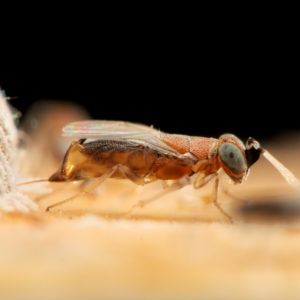
BioAnagyrus
BioAnagyrus (Anagyrus vladimiri) is a solitary endoparasitoid of mealybugs in greenhouses, open fields and fruit crops worldwide.
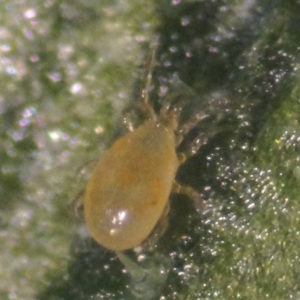
BioAndersoni
BioAndersoni (Amblyseius andersoni) is a predatory mite that feeds on small arthropod prey and pollen. BioAndersoni is less than 1mm in length and is often used in tomatoes due to its ability to maneuver between trichomes. They are active across a wide temperature range, allowing for early season introduction into crops yet might enter diapause with cooler temperatures and short day lengths (<10 hr.).

BioAphelinus
BioAphelinus, also known as the aphid parasite, is an effective parasitic wasp that both parasitizes and feeds on its prey/host. Particularly effective against the potato aphid (Macrosiphum euphorbiae) and the foxglove aphid (Aulacorthum solani). It also targets the green peach aphid (Myzus persicae), cotton/melon aphid (Aphis gossypii), cereal aphids (Sitobian avenae and Metopolophium dirhodum) and the pea aphid (Acyrthosiphon pisum).
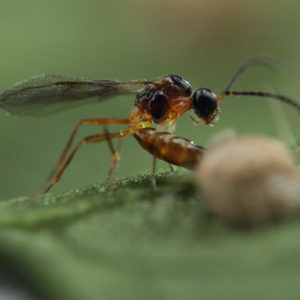
BioAphidius
BioAphidius (Aphidius colemani ) is a parasitic wasp. This polyphagous parasitoid attacks over 40 species of aphids. The adults are small slender wasps with black, brown and yellow coloration, brown legs and long antennae. Aphidius colemani’s size depends on the size of the parasitized aphid, but is usually about 2 mm long.
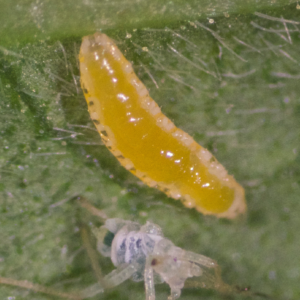
BioAphidoletes
BioAphidoletes (Aphidoletes aphidimyza), commonly referred to as the gal midge, is a midge whose larvae feed on over 70 aphid species.

BioAphytis
BioAphidius (Aphidius colemani ) is a parasitic wasp. This polyphagous parasitoid attacks over 40 species of aphids.
BioAtheta
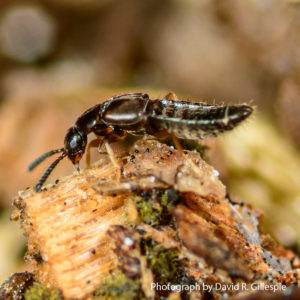
BioAtheta (Dalotia coriaria) is a fast-moving, soil dwelling rove beetle. A generalist predator, it feeds on a wide range of small insects and mites but is primarily an egg predator. BioAtheta is used in the control of fungus gnats, thrips pupae, shore flies, moth fly larvae, root mealybugs, springtails and other small arthropods.
BioCalifornicus
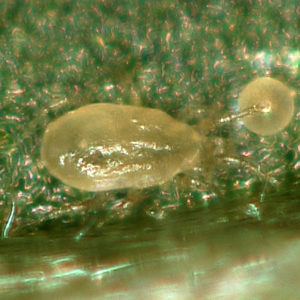
BioCalifornicus (Neoseiulus californicus) is an effective predatory mite of a wide array of pest mites.

Cali Combo
BioCalifornicus (Neoseiulus californicus) is an effective predatory mite of a wide array of pest mites.
BioCucumeris
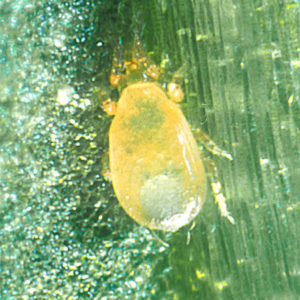
BioCucumeris (Neoseiulus cucumeris) is a predatory mite widely used in the control of immature thrips (egg and larvae). It also feeds on several mite pests. Although very small (1mm), BioCucumeris can be recognized by its oblong shape and quick mobility along the underside of leaves and in flowers.
BioCryptolaemus
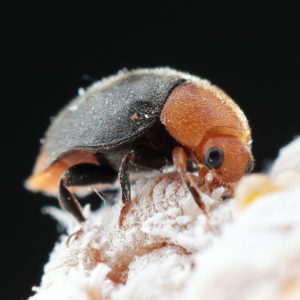
BioCryptolaemus (Cryptolaemus montrouzieri) is a predatory beetle, also known as the “Mealybug destroyer” because it is a voracious predator of multiple species of mealybugs in both greenhouses and open fields.
BioDelphastus
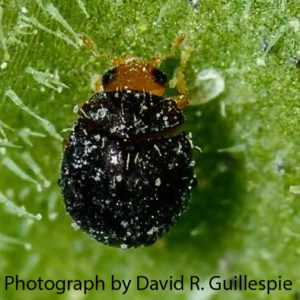
BioDelphastus (Delphastus catalinae) is a predatory beetle for the control of cotton whitefly (Bemisia tabaci) and greenhouse whitefly (Trialeurodes vaporariorum).

BioDicyphus
BioDicyphus is a predatory mirid bug. Both adults and nymphs are predatory and very effective in the biological control of whitefly in tomatoes, peppers, cucumbers, eggplants, strawberry, cut and ornamental crops. D. hesperus will also feed on other pests including thrips, aphids, two-spotted spider mite and moth eggs.
BioDiglyphus
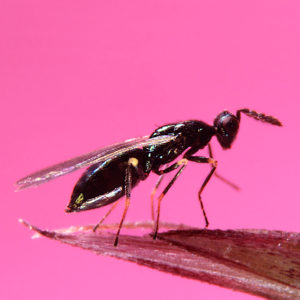
BioDiglyphus (Diglyphus isaea) is an ectoparasitic wasp that parasitizes leaf miner larvae in field and greenhouse crops.
BioEncarsia
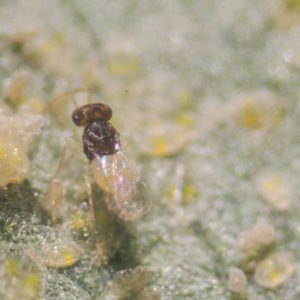
BioEncarsia (Encarsia formosa) is a parasitic wasp of the Aphelinidae family. E. formosa can utilize at least 15 species of whitefly as hosts but the principal host is the greenhouse whitefly. The tiny females are black with a yellow abdomen and opalescent wings while the males (although rare) are completely black in color. BioEncarsia should only be applied when temperatures range between 20-30°C.Parasitized greenhouse whitefly pupae turn black in about 10 days and are easily distinguished from non-parasitized hosts.
BioEretmocerus
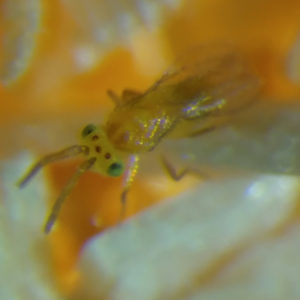
BioEretmocerus (Eretmocerus eremicus) is a parasitic wasp used for the control of sweet potato whitefly and greenhouse whitefly. Adult females are very small (1mm) and light yellow in color while males are darker. E. eremicus parasitize and feed on whitefly larvae.
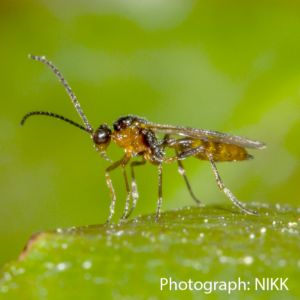
BioErvi
BioErvi is an effective parasitic wasp for larger aphid species that are not effectively controlled by Aphidius colemani such as potato aphids (Macrosiphum euphorbiae), foxglove aphids (Aulacorthum solani) as well as pea aphids (Acyrthosiphon pisum) and can also parasitize cannabis aphids (Phorodon cannabis) .

BioGalendromus
BioGalendromus, also known as the western predatory mite, stands out for its ability to thrive and control spider mites in dryer and warmer conditions. While the eggs and larvae are oval to pear-shaped and almost transparent, the adults are white and pear-shaped until they feed, at which time they take on the prey’s coloration (normally yellow to pale brown).
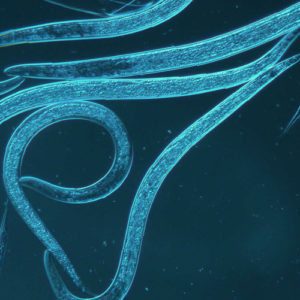
BioHb
BioHb is an Entomopathogenic nematode containing infective juveniles of Heterorhabditis bacteriophora in an inert carrier.
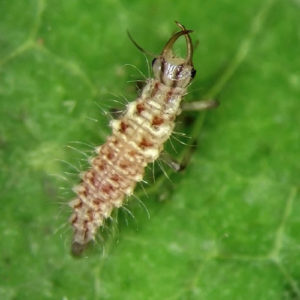
BioLacewing
BioLacewing (Chrysoperla carnea) is an insect of the Chrysopidae family. The delicate looking adult feeds on nectar and pollen while the larvae of BioLacewing is the active predator. The first three larvae instars, are the voracious ones.

BioMaculata
BioMaculata, also called the pink spotted lady beetle or twelve-spotted lady beetle is a voracious predator. Both the larva and the adult beetle are important aphids predators of pea aphids (Acyrthosiphon pisum), green peach aphids (Myzus persicae), cotton aphids (Aphis gossypii), cabbage aphids (Brevicoryne brassicae), and potato aphids (Macrosiphum euphorbiae). BioMaculata can also prey on mites, whiteflies, eggs and larvae of important caterpillar and leaf beetle pests, including diamondback moth (Plutella xylostella) and Colorado potato beetle (Leptinotarsa decemlineata).
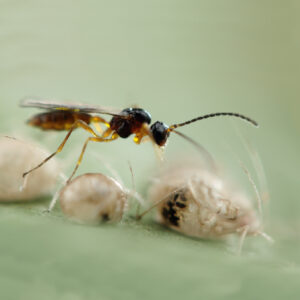
BioMatricariae
BioMatricariae mainly targets the green peach aphid (Myzus persicae), the cotton/melon aphid (Aphis gossypii), the tobacco aphid (M.p. nicotianae) and black bean aphid (Aphis fabae) among others.
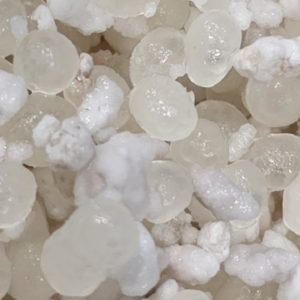
nemaplus®Depot
Once the capsules come into contact with soil or substrate, the alginate shell becomes permeable within a week and the beneficial nematodes emerge. Over a period of several weeks, new nematodes actively search for larvae. After locating pest larvae, nematodes invade through natural body openings and inject bacteria into the insect. Bacteria develop within the insect and it dies of septicemia after 2-3 days. Nematodes reproduce inside the dead larva. Thousands of new nematodes leave the dead larva and search for further prey.
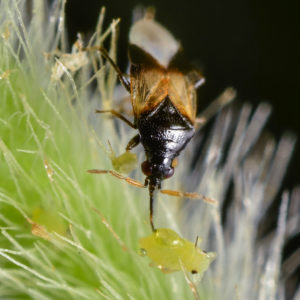
BioOrius (insidiosus)
BioOrius (Orius insidiosus) also known as the insidiosus flower bug, is a predatory minute pirate bug equipped with piercing-sucking rostrum and two pairs of wings, the front pair being partially rigid.
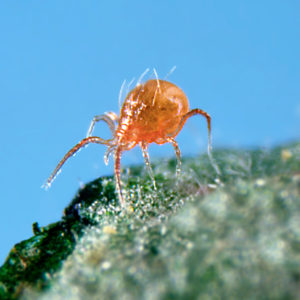
BioPersimilis
BioPersimilis (Phytoseiulus persimilis) is a predatory mite, proven outstanding, aggressive and highly effective against spider mites. The adult female is a distinctive reddish-orange color with a pear-shaped body.
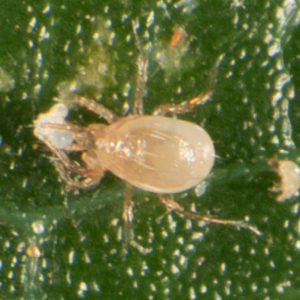
BioPersi+
BioPersi+ (Phytoseiulus persimilis), a proven aggressive and highly effective predator of spider mites, was developed at BioBee with an innovative technology which won BioBee the Bernard Bloom Innovation Award. BioPersi+ is produced using a new alternative food system, a true revolution in the mass rearing of Phytoseiulus persimilis.
This innovative product contains predators which are initially pale white, but change to the typical reddish-orange once they start feeding on spider mites in the crop. The white to red color change confirms active predation and is a useful visual indicator. BioPersi+ has a higher fecundity and starts laying eggs from the first day of application.
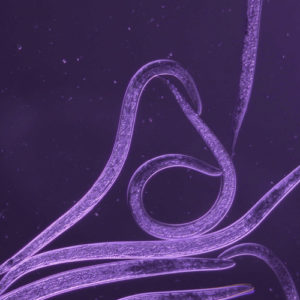
BioSf
Nematodes actively search for larvae. After locating pest larvae, nematodes invade through natural body openings and inject bacteria into the insect. Bacteria develop within the insect and it dies of septicemia after 2-3 days. Nematodes reproduce inside the dead larva. Thousands of new nematodes leave the dead larva and search for further prey.
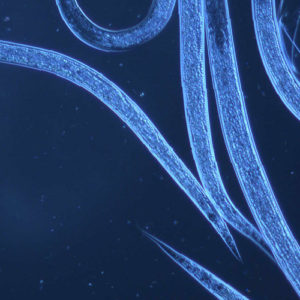
BioSc
Nematodes actively search for larvae. After locating pest larvae, nematodes invade through natural body openings and inject bacteria into the insect. Bacteria develop within the insect and it dies of septicemia after 2-3 days. Nematodes reproduce inside the dead larva. Thousands of new nematodes leave the dead larva and search for further prey.

BioStethorus
BioStethorus (Stethorus punctillum) is a specialized spider mite predator in the lady beetle family (Coleoptera: Coccinellidae). The target pests include two-spotted spider mite (Tetranychus urticae), European red mite (Panonychus ulmi), spruce spider mite (Oligonychus ununguis), Southern red spider mite (Oligonychus ilicis) and McDaniel spider mite (Tetranychus mcdanieli).
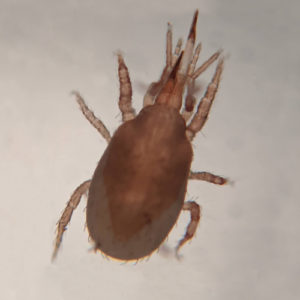
BioStratio
BioStratio (Stratiolaelaps scimitus) is a soil-dwelling predatory mite whose nymphs and adults feed on fungus gnat larva, thrips pupae and other small invertebrates. These predatory mite stay at the base of plant stems and on the soil, rarely transferring onto the plant itself.
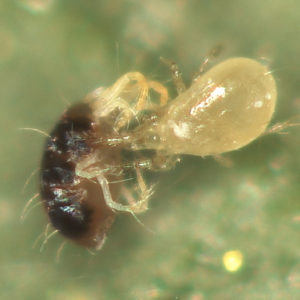
BioSwirski
BioSwirski (Amblyseius swirskii) is an efficient predatory mite used for the control of young stages of the western flower thrips as well as the eggs and young nymphs of white flies. It also feeds on red spider mites as well as on broad mites.
Swirski Combo
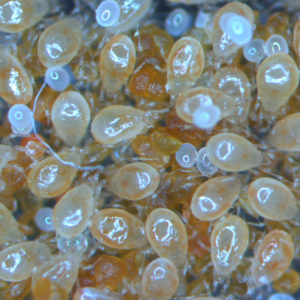
Swirski Combo contains the predatory mite Amblyseius swirskii and BioArtFeed, premium quality decapsulated Artemia cysts ( brine shrimp eggs). BioSwirski is a proven and highly effective predator, while BioArtFeed enables its early establishment.
BioTrichominutum
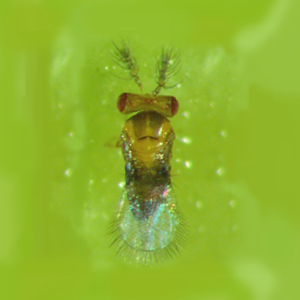
BioTrichominutum (Trichogramma minutum) is an egg parasitoid used in IPM programs to control various lepidopteran pests. The adult T. minutum measures around 0.3 mm and is pale yellow with red eyes.
The female lays its eggs in lepidopteran eggs and can parasitize up to ten eggs a day. The larva kills the developing embryo of the host and feeds on the egg contents. After the pupation stage it emerges as an adult, through a circular hole in the egg. The adult wasp is able to mate shortly after emerging.
BioTricho Mix
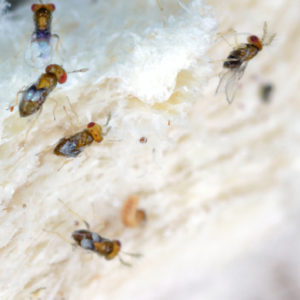
BioTricho Mix (Trichogramma brassicae, Trichogramma ostrinae, Trichogramma minutum) contains three different species of Trichogramma, egg parasitoids used in IPM programs to control various lepidopteran pests. This product is recommended for use when you are unsure of the species of caterpillars present in the crop. The females lay their eggs in lepidopteran eggs and can parasitize up to ten eggs a day. The larva kills the developing embryo of the host and feeds on the egg contents. After the pupation stage it emerges as an adult, through a circular hole in the egg. The adult wasp is able to mate shortly after emerging.
BioTrichoostriniae
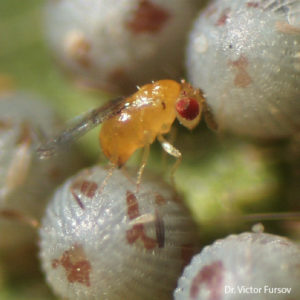
BioTrichogramma (Trichogramma cryotophlebiae) is a parasitic wasp for the control of the False codling moth (Thaumatotibia leucotreta) and the Macadamia nut borer (Thaumototibia batrachopa).
BioTrichopretiosum
BioTrichopretiosum (Trichogramma pretiosum) is an egg parasitoid used in IPM programs to control various lepidopteran pests. The adult T. pretiosum measures around 0.3 mm and is pale yellow with red eyes.
The female lays its eggs in lepidopteran eggs and can parasitize up to ten eggs a day. The larva kills the developing embryo of the host and feeds on the egg contents. After the pupation stage it emerges as an adult, through a circular hole in the egg. The adult wasp is able to mate shortly after emerging.
BioTrichobrassicae
BioTrichobrassicae (Trichogramma brassicae) is an egg parasitoid used in IPM programs to control various lepidopteran pests. The adult T. brassicae measures around 0.3 mm and is pale yellow with red eyes.
The female lays its eggs in lepidopteran eggs and can parasitize up to ten eggs a day. The larva kills the developing embryo of the host and feeds on the egg contents. After the pupation stage it emerges as an adult, through a circular hole in the egg. The adult wasp is able to mate shortly after emerging.