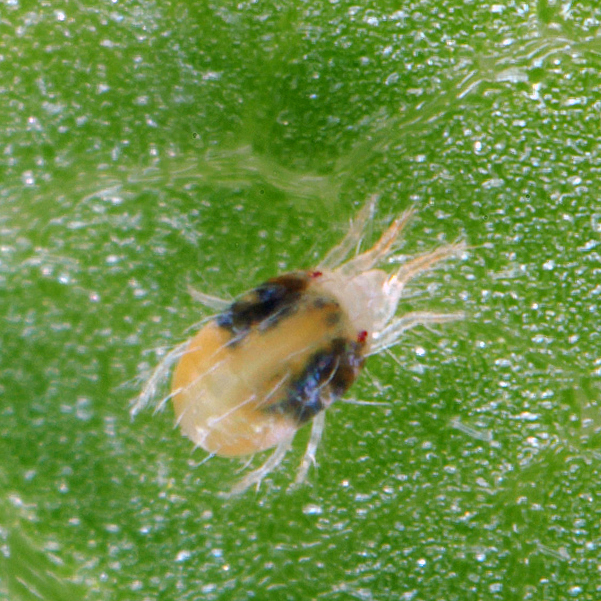
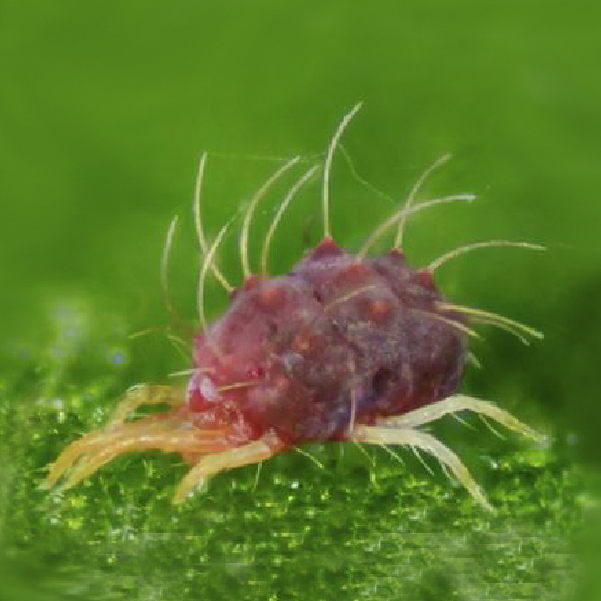
BioGalendromus, also known as the western predatory mite, stands out for its ability to thrive and control spider mites in dryer and warmer conditions. While the eggs and larvae are oval to pear-shaped and almost transparent, the adults are white and pear-shaped until they feed, at which time they take on the prey’s coloration (normally yellow to pale brown).
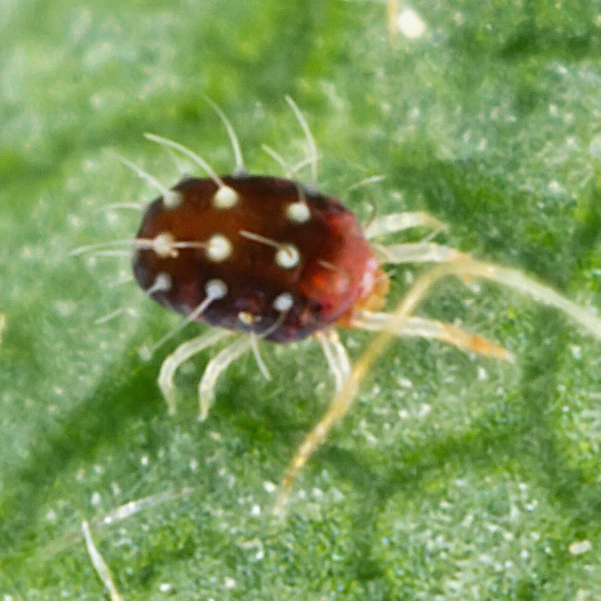
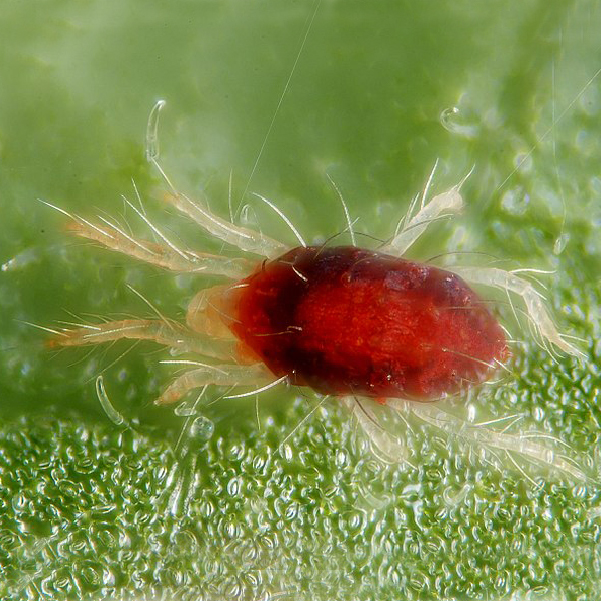
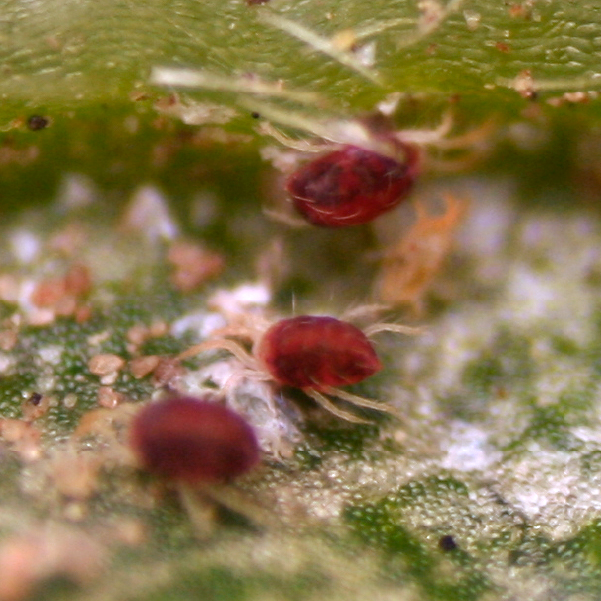
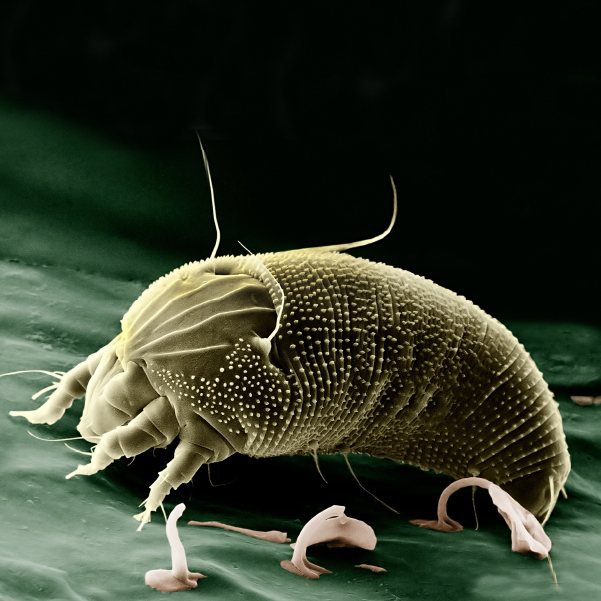
Their target pests are spider mites (Tetranychidae), including the two-spotted (Tetranychus urticae), Willamette (Eotetranychus willamettei), Pacific (Tetranychus pacificus), European red (Panonychus ulmi), citrus red (Panonychus citri), McDaniel (Tetranychus mcdanieli), spruce (Oligonychus ununguis), persea mite, (Oligonychus perseae) and russet mites (Eriophyidae).
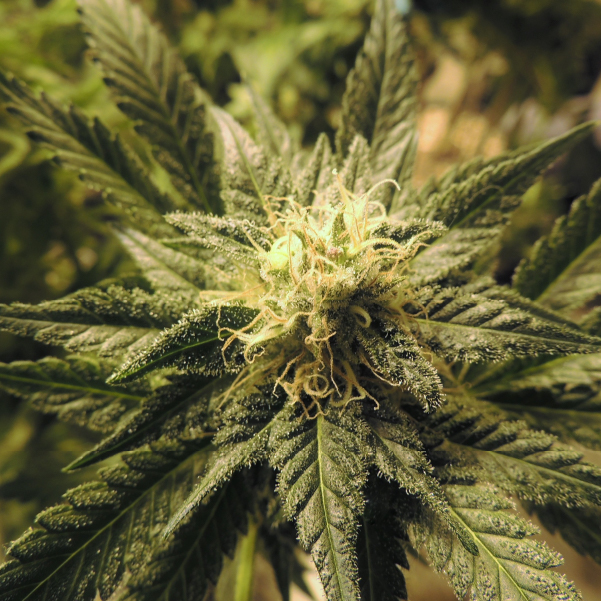
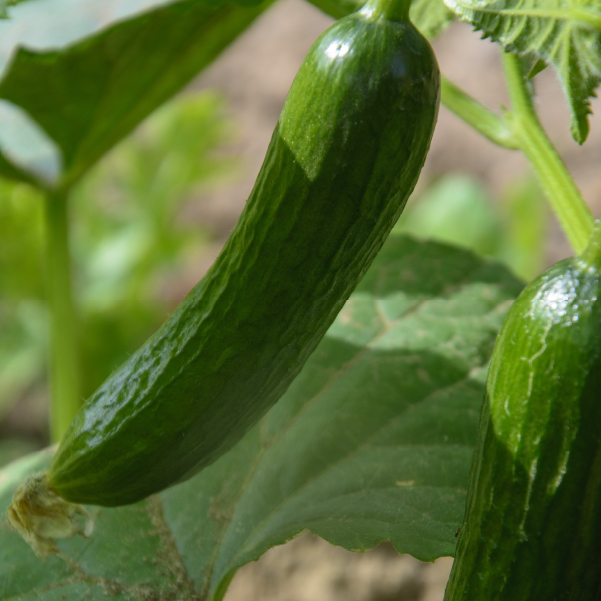
BioGalendromus is used in fruit trees, nut tree orchards, vineyards, hops, hemp, medicinal cannabis, avocado, ornamentals as well as in greenhouse vegetables and interiorscapes.
Consult your local BioBee representative for additional details.
Product

- 1L Cylinder containing 25/50K mobile stages
- 5L Bag containing 250K mobile stages
Application


- BioGalendromus is shipped in aerated boxes. Packaging must be kept intact until placed in the greenhouse or field.
- Keep in a cool location until release.
Cylinder Application
- Gently rotate the cylinder to evenly mix the contents.
- The mites are released by gently tapping the open cylinder over the plants while walking between the rows of the crops.
BioGalendromus is suitable for mechanized applications (drones and blowers)
- Do not expose the product to direct sunlight.
- BioGalendromus is compatible with parasitoids and non-mite feeding predators.
Before combining BioGalendromus with any chemical pesticide in the crop, please consult your BioBee technical field representative.


Storage
-

Storage temperature
-

Do not store in sunlight
-

Roll back and forth before use
-

Store horizontally
Disclaimer
BioBee Sde Eliyahu Ltd. produces and markets biological products. Production is carried out using innovative techniques under controlled quality assurance standards such as ISO 9001:2015, as well as IOBC’s international standards for mass-production of insects. All products are tested to meet specification requirements before leaving the factory.
The success of biological pest control is affected by the crop’s initial pest population (upon application of the product), weather conditions and chemical residue present in the crop, among other possible aggravating factors.
Under no circumstance shall BioBee be liable for the outcome of the implementation in the field, as it has no control over local conditions, the application method, or the possible improper treatment/storage of the product.